

GALAPAGOS RETREAT
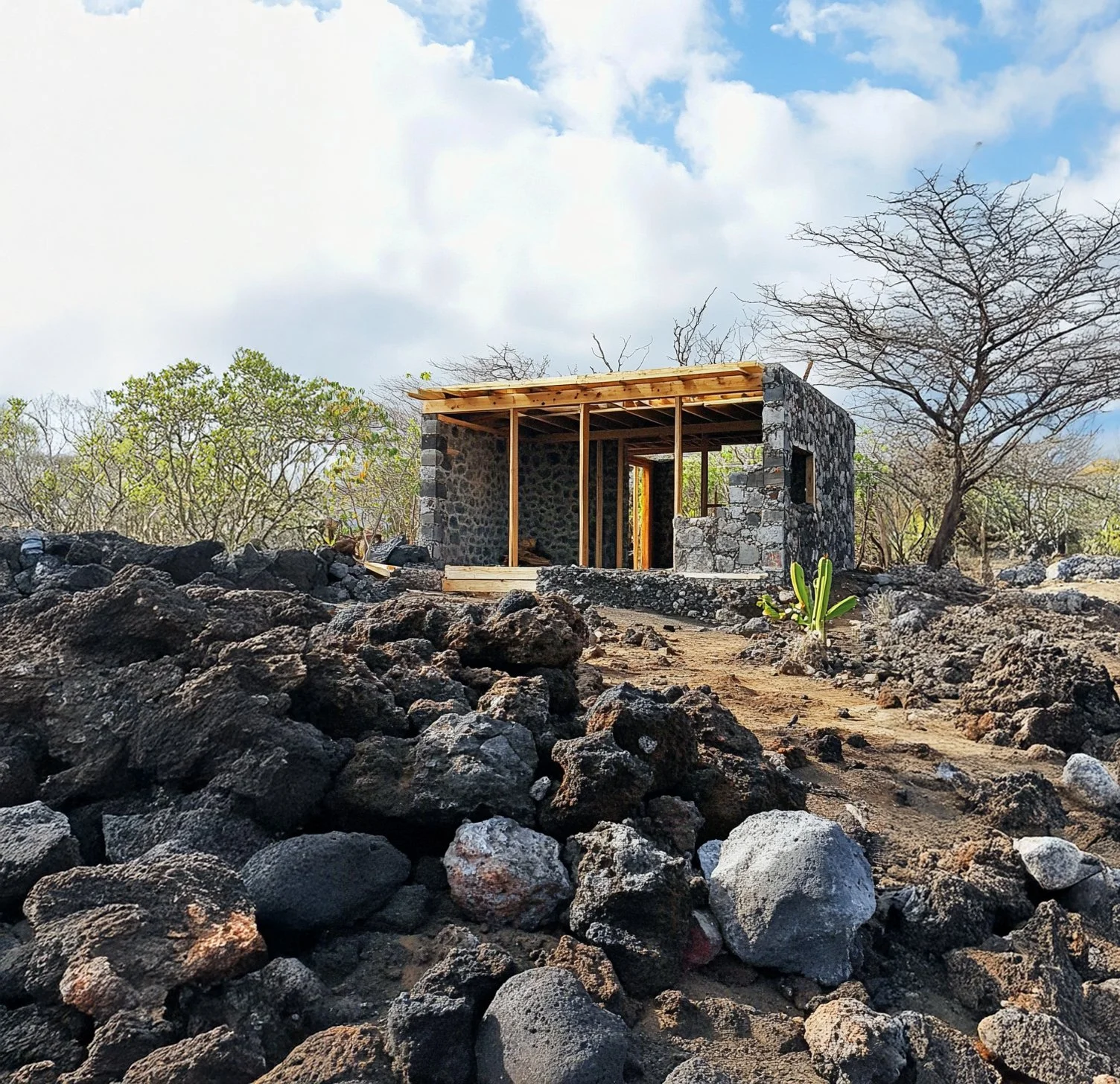
Puerto Ayora, Ecuador
Galapagos Retreat
01BriefGalapagos Retreat
The heart of the Galapagos
Design a sustainable eco-hotel in Puerto Ayora that balances conservation, innovation and community.
Get the full briefThe Galapagos Islands are a UNESCO World Heritage Site, known for their fragile ecosystems, endemic species and their role in Darwin’s theory of evolution. Rising tourism and urban expansion now threaten this balance: unregulated construction, resource depletion and habitat disruption have raised serious concerns about sustainable development.
The challenge is to design an eco-hotel in Puerto Ayora that prioritises adaptive reuse, low-impact methods and alignment with local ecological and cultural values.
Sustainability & environment. Reuse unfinished buildings with local materials such as volcanic rock and bamboo, use passive strategies like natural ventilation and solar shading, and include renewable energy and sustainable waste systems.
Architecture & structure. Create modular, flexible designs that can grow in the future, with lightweight construction and climate-responsive facades that blend into the landscape.
Tourism & community. Promote eco-tourism, local involvement and shared public spaces, and support sustainable mobility such as bike paths and electric transport.
02WinnersGalapagos Retreat
The winners
Selected by our jury from all entries. Click a board to see it in full.
 Hover to zoom · click to enlarge
Biome - Nest
“It felt like a meaningful platform to challenge myself and contribute an idea that could inspire change.”
 India
 Hover to zoom · click to enlarge
Unitas
“The brief really caught our attention: it felt different and exciting, completely outside of our usual scope.”
 Slovakia
 Hover to zoom · click to enlarge
Coexisting with Nature
“It’s a truly inspiring experience where you can encounter diverse global ideas and gain a fresh, objective view of your own design approach.”
 Japan
03Honourable mentionsGalapagos Retreat
Honourable mentions
3 projects the jury singled out for their ideas and presentation.
Show honourable mentions (3 of 3)Hide honourable mentions
 A House Like NatureJeonghun Han · Hyeyoung KimRepublic of Korea
 From Outsider to NeighborSutapat Parapat · Chayanis Khonkaen · Sarinpone SaengpichaiThailand
 A Galápagos Manual to Complete the IncompleteDebora Strenge · David Peralta · Juan Carlos BambaGermanyHover to zoom · click to enlarge
04ShortlistedGalapagos Retreat
Shortlisted projects
The 20 strongest entries reviewed by the jury in the final round.
Show shortlisted projects (20)Hide shortlisted projects
 Island WaveEgor KiselevRussiaUnitasMário Melek · Dominik Haviar · Barbora GunišováSlovakia
 Tree HouseLin Xie · Nevena Dilparic · Zhang LuluChina
 The Floating DropOlga SinelnikovaRussia
 Oasis of GalapagosArtem Sultanov · Kirill TaravkoRussia
 Gaps as HabitatZhifeng Li · Yuqing WangChina
 Ecotone HotelTakuya Hosokai · Moe Masui · Nanae Nogami · Remi Utsunomiya · Keiko YoshidaJapan
 PenultimoAi Ling Mak Kieve Mercado · Alex YangoSingapore
 La Comuna Habitat HotelKevin Aragon · Ivan Reyes · Miguel TinocoEcuador
 Shellow SpacePolina Kureneva · Ekaterina Rozhkova · Alexandra Dombrovskaya · Ekaterina TikhonovaItalyBiome - NestRohit BelvikarIndia
 Galápagos Resurge - Beyond WallsJohana MendozaEcuadorCoexisting with NatureKohei Kamei · Ryo Hasegawa · Kaori Matsuo · Yui ShiodaJapanFrom Outsider to NeighborSutapat Parapat · Chayanis Khonkaen · Sarinpone SaengpichaiThailand
 Estructura VivaZhixi Long · Yutong Mu · Qiqi LiuCanada
 Casa BreveTürkay Korkusuz · Göktuğ Yiğitol · Deniz Çıray · Ceren ÇamlıcaTurkey
 Adventure by NatureAnastasia Lukashchuk · Lesuhina VladislavaRussiaA Galápagos Manual to Complete the IncompleteDebora Strenge · David Peralta · Juan Carlos BambaGermany
 Carapace RetreatMira Samy · Youmna Abdelmonseif · Karen Farouk · Youstina BeshirEgyptA House Like NatureJeonghun Han · Hyeyoung KimRepublic of KoreaHover to zoom · click to enlarge
05JuryGalapagos Retreat
Our jury
Each jury is carefully selected, bringing together professionals whose expertise relates directly to the focus of the competition.
 Ilse MartinezLighting designer, Licht Kunst Licht
 Lucia OberfrancováResearch assistant & teacher, Hochschule Wismar
 Liam Hayward-MillsArchitectural project manager & designer
 Luis LoaizaAssociate & landscape architect, EDSA
 Mariam KorachyFounder, Mariam Korachy Architects
 Hartwig DuensingFounder, Duensing Architekten
06CoursesGalapagos Retreat
Online courses
Courses and tools we personally recommend for architecture students and professionals, with an exclusive discount for our community.
Explore courses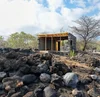
Architecture Competition
Brief
Puerto Ayora: The Heart of the Galapagos Islands, Ecuador
The Galapagos Islands, a UNESCO World Heritage Site, are known for their fragile ecosystems, endemic species, and their role in Charles Darwin’s theory of evolution. However, increasing tourism and urban expansion threaten this delicate balance. As visitor numbers rise and infrastructure demands grow, the islands face significant challenges in preserving their unique biodiversity while accommodating the needs of both locals and tourists. Unregulated construction, resource depletion, and habitat disruption have intensified concerns over sustainable development in this ecologically sensitive region.
The Challenge is to develop a sustainable eco-hotel in the Galapagos, the design must balance conservation, innovation, and community engagement. In Puerto Ayora’s fragile ecosystem, it should prioritize adaptive reuse, low-impact methods, and alignment with local ecological and cultural values.
Sustainability & Environment : Repurpose unfinished buildings using local materials (volcanic rock, bamboo) and passive design (natural ventilation, solar shading). Integrate renewable energy (solar panels, rainwater harvesting) and sustainable waste systems (composting, greywater recycling).
Architecture & Structure : Ensure modular, flexible designs for future expansion with lightweight constructionand climate-responsive facades, blending with the Galapagos landscape.
Tourism & Community : Promote eco-tourism, local involvement, and shared public spaces, while encouraging sustainable mobility (bike paths, electric transport.
Keywords
Addition - Reuse - Identity - Detail - Adaptability
Winners
FIRST PRIZE
BIOME - NEST
Rohit Belvikar
India
SECOND PRIZE
UNITAS
Mário Melek - Dominik Haviar - Barbora Gunišová
Slovakia
EDITOR CHOICE PRIZE
COEXISTING WITH NATURE
Kohei Kamei - Ryo Hasegawa - Kaori Matsuo - Yui Shioda
Japan


Honorable Mentions
A HOUSE LIKE NATURE
Jeonghun Han - Hyeyoung Kim
Republic of Korea
FROM OUTSIDER TO NEIGHBOR
Sutapat Parapat - Chayanis Khonkaen - Sarinpone Saengpichai
Thailand
A GALÁPAGOS MANUAL TO COMPLETE THE INCOMPLETE
Debora Strenge - David Peralta - Juan Carlos Bamba
Germany


TOP20
ISLAND WAVE
Egor Kiselev Russia
UNITAS
Mário Melek - Dominik Haviar - Barbora Gunišová
Slovakia
TREE HOUSE
Lin Xie - Nevena Dilparic - Zhang Lulu
China
THE FLOATING DROP
Olga Sinelnikova Russia
OASIS OF GALAPAGOS
Artem Sultanov - Kirill Taravko
Russia
GAPS AS HABITAT
Zhifeng Li - Yuqing Wang
China
ECOTONE HOTEL
Takuya Hosokai - Moe Masui - Nanae Nogami - Remi Utsunomiya - Keiko Yoshida
Japan
PENULTIMO
Ai Ling Mak Kieve Mercado - Alex Yango Singapore
LA COMUNA HABITAT HOTEL
Kevin Aragon - Ivan Reyes - Miguel Tinoco
Ecuador
SHELLOW SPACE
Polina Kureneva - Ekaterina Rozhkova - Alexandra Dombrovskaya - Ekaterina Tikhonova
Italy
BIOME - NEST
Rohit Belvikar India
GALÁPAGOS RESURGE - BEYOND WALLS
Johana Mendoza Ecuador
COEXISTING WITH NATURE
Kohei Kamei - Ryo Hasegawa - Kaori Matsuo - Yui Shioda
Japan
FROM OUTSIDER TO NEIGHBOR
Sutapat Parapat - Chayanis Khonkaen - Sarinpone Saengpichai
Thailand
ESTRUCTURA VIVA
Zhixi Long - Yutong Mu - Qiqi Liu
Canada
CASA BREVE
Türkay Korkusuz
Göktuğ Yiğitol - Deniz Çıray - Ceren Çamlıca
Turkey
ADVENTURE BY NATURE
Anastasia Lukashchuk - Lesuhina Vladislava
Russia
A GALÁPAGOS MANUAL TO COMPLETE THE INCOMPLETE
Debora Strenge - David Peralta - Juan Carlos Bamba
Germany
CARAPACE RETREAT
Mira Samy - Youmna abdelmonseif - Karen farouk - Youstina Beshir
Egypt
A HOUSE LIKE NATURE
Jeonghun Han - Hyeyoung Kim
Republic of Korea


OUR JURY
Each jury is carefully selected, bringing together professionals whose expertise directly relates to the focus of the competition.
-

Ilse martinez
Lighting Designer at Licht Kunst Licht
-

Lucia Oberfrancová
Research assistent & teacher at Hochschule Wismar
-

Liam Hayward-Mills
Architectural project manager & designer
-

Luis Loaiza
Associate & Landscape Architect EDSA, inc.
-

Mariam Korachy
Founder of Mariam Korachy Architects
-

Hartwig Duensing
Founder of Duensing Architekten


all in one render Tool
The All-in-One AI Tool for Creatives
Promoted by IDOARCH